 Photoshop
 Maya
Maya ZBrush
 Houdini
 Substance Painter
 Blender
 Unreal Engine
 Arnold
 Nuke
Nuke KeyShot
 V-Ray
V-Ray Marmoset Toolbag
 Mari
Mari Marvelous Designer
 Substance Designer
 3ds Max
 3DCoat
 Redshift
 Faceform Wrap
 Lightroom
 After Effects
 OctaneRender
 SpeedTree
 Daz 3D
 Agisoft Metashape
 Fusion
 Modo
Modo RealityCapture
 Gaea
Gaea Cinema 4D
 Gravity Sketch
 Premiere
 Procreate
 Clip Studio Paint
 SketchUp
 SketchBook
 Katana
 Natron
 Mudbox
 Quixel Bridge
 Quixel Megascans
 Quixel Mixer
 Substance 3D Modeler
 World Creator
 Yeti
Yeti Ziva VFX
 Mixamo
 Adobe Medium
 Quixel DDO
 xNormal
 Meshmixer
 Storyboard Pro
 DaVinci Resolve
 TreeIt
 World Machine
 Gaffer
 Corel Painter
 SynthEyes
 Krita
Krita Massive
 Materialize
 Unity
Unity Ornatrix
 PreForm
 Moi 3D
 animBot
 QuickTime
 ReCap
ReCap

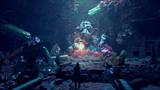











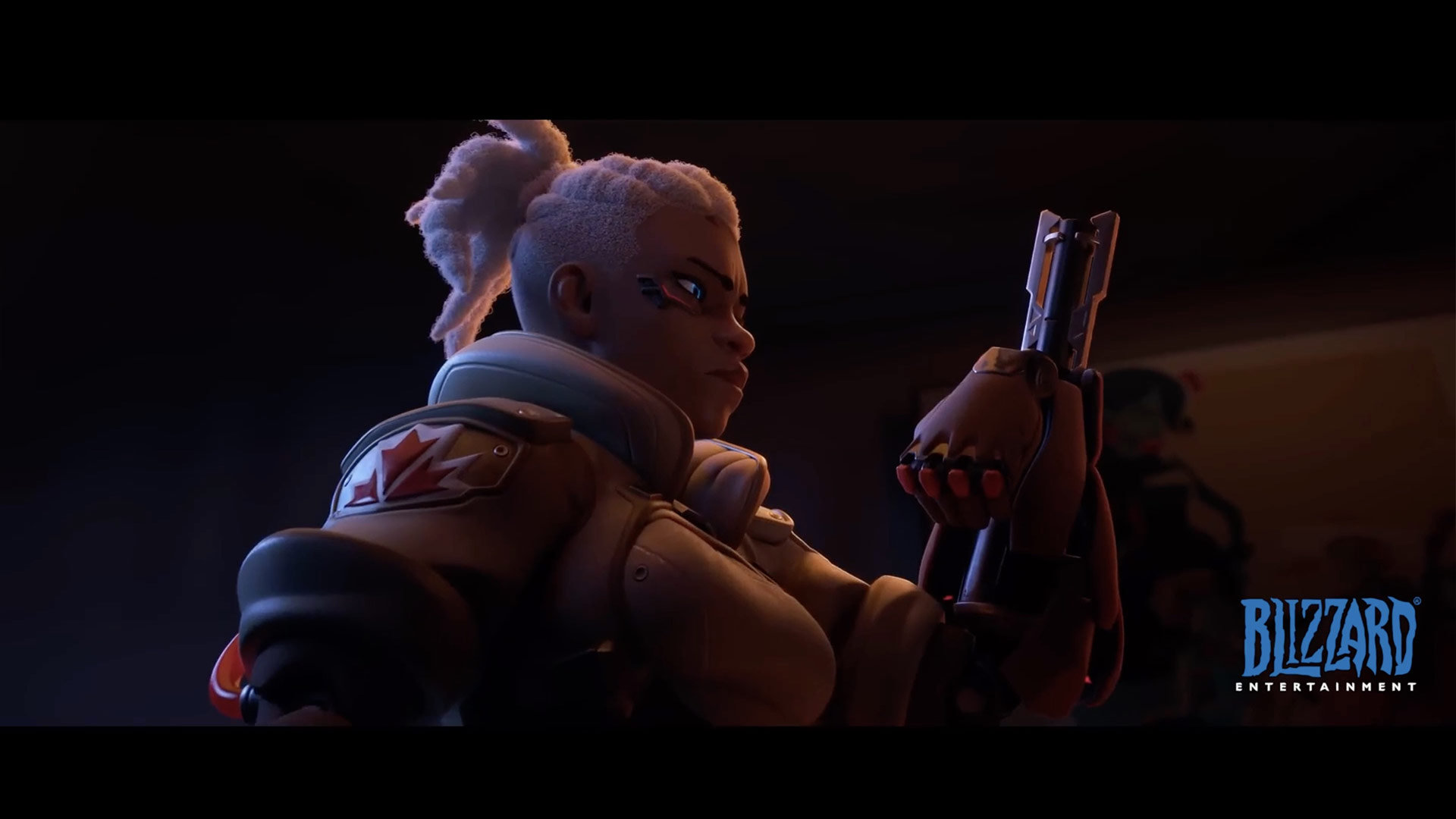
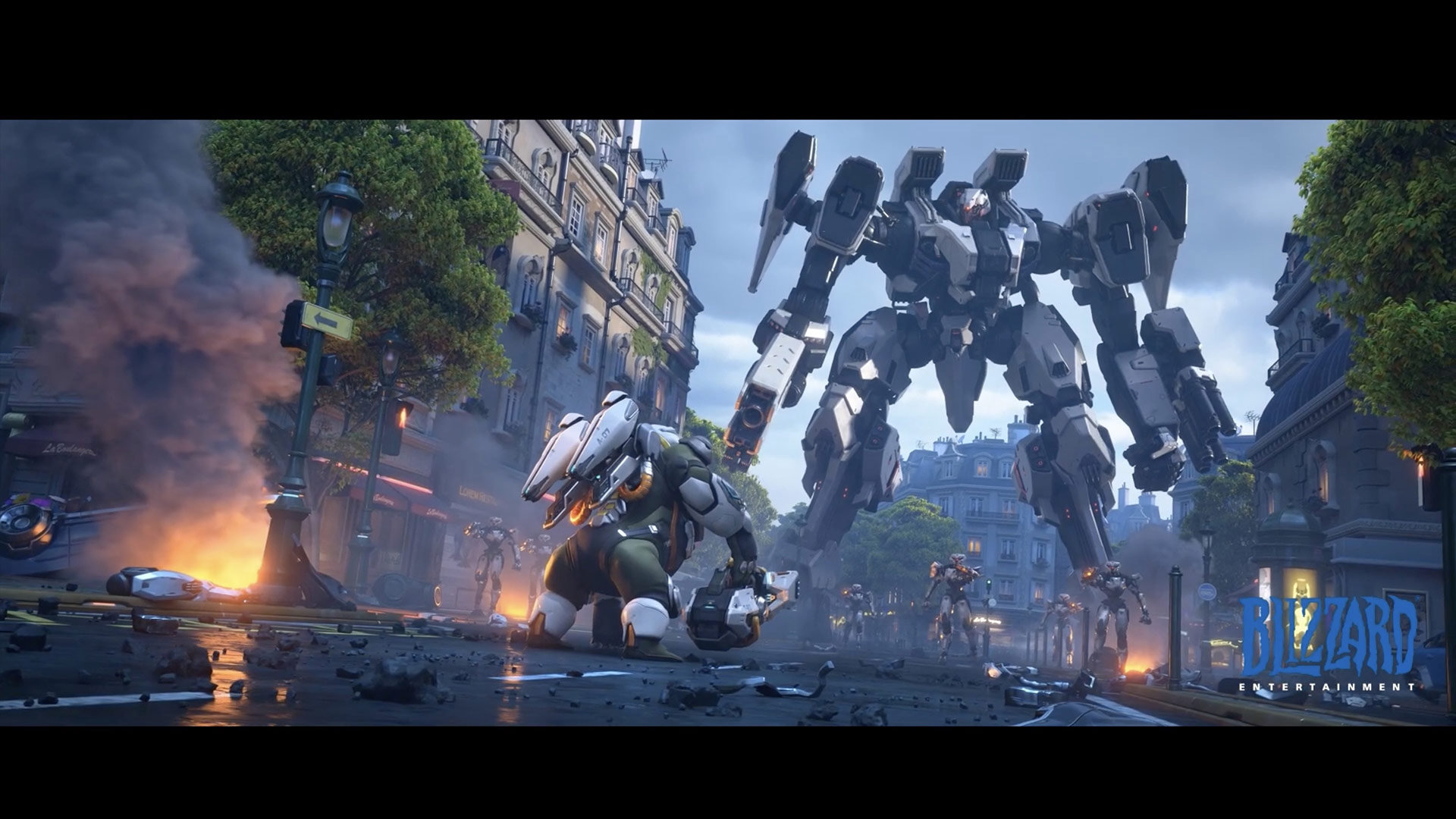
In this comprehensive workshop by Graham Cunningham, you will be taken through the entire process of lighting and compositing a cinematic shot using Maya, Katana, Arnold, and Nuke. This is an advanced course that builds on the Introduction to Katana workshop by Taeyoung Kim.
This 4-hour workshop begins with setting up OCIO for ACEScg, importing and preparing assets in Maya and Arnold, creating a layout and shot camera, managing your .tx files and color spaces, and details how to convert materials to MaterialX, and export everything to Arnold USD.
Next, in Katana, you’ll discover how to update the shot template, create some new macros, prepare Interactive render filters, and set up AOVs for multi-channel EXR output. You’ll see how to import your USD assets, optimize your scene, go through the lighting setup, and create and modify HDRI light textures (in a quick excursion to Nuke).
From there, the workflow proceeds to the creation of render passes, how to manage visibility and sampling, and render image sequences to disk using Katana batch commands. As the last step, Graham jumps into Nuke, where he shows how to assemble the render passes, split out light AOVs, adjust light colors and intensities. You’ll also explore how to add atmosphere using volume/fog renders and WorldP data, how to add fog FX using stock footage on 3D cards, as well as how to use cryptomattes to fine-tune results, add glow, lensflare, film grain, and apply a final color grade.
Upon completing this workshop, you will have a thorough understanding of what it takes to be a lighting compositing artist. Although project files and plugins are not provided, a list of the assets used are provided with this workshop.
Graham’s scene was built using the Tokyo Back Alley Kit from Big Medium Small. After assembling the scene in Nuke, Graham then utilizes animated Lingering Fog assets from Action VFX to build up the atmosphere.
14 Lessons
In this workshop, Graham Cunningham establishes the technical foundation for a professional VFX pipeline by emphasizing proper software configuration and organized project management. Graham demonstrates how a structured folder hierarchy is essential for an efficient workflow in production environments. These preparatory steps ensure all software components communicate correctly and files remain organized throughout the lighting and compositing process.
Duration: 5m 28s

This lesson reinforces a practical, ground-level approach to asset preparation for rendering pipelines. Graham explains that while many of these manual processes would be automated in large studios, understanding the fundamentals of material setup and color space management is essential. Graham highlights how to organize textures to create stable, production-ready 3D assets, successfully showing how to prepare purchased assets for professional rendering.
Duration: 21m 55s

Graham demonstrates that while modern collaborative file formats offer powerful capabilities for asset management, the process is highly technical and requires careful attention to hierarchy and export settings. Graham explains the value of technical directors in studios for managing these workflows and demonstrates why proper file naming and version control are essential for real-world production environments.
Duration: 23m 6s

This lesson dives into an updated Katana 7 interface optimized for modern USD-based workflows while maintaining compatibility with industry practices. Graham highlights practical production techniques used in professional environments, including modular node structures and non-destructive rendering tools. These updates make the template more flexible and powerful while remaining accessible to artists learning Katana, bridging the gap between educational resources and real-world production requirements.
Duration: 24m 31s

In this lesson, Graham demonstrates an approach to optimizing render workflows by consolidating multiple image channels into organized files rather than numerous separate ones. Graham explains how this system balances technical requirements with practical needs, recognizing that not all data passes are equally useful. While the implementation creates a streamlined interface, Graham highlights the remaining challenges in certain areas, providing both solutions and honest assessments.
Duration: 22m 15s

Graham explains how starting with scene optimization and building up lighting through multiple strategic sources helps create dimensional, cinematic results. He highlights the importance of maintaining flexibility for adjustments in the final stages, reflecting industry-standard practices that allow for maximum creative control while still optimizing efficiency for the final delivery.
Duration: 30m 44s

In this lesson, Graham demonstrates that efficient rendering comes from understanding when to isolate lights and use visibility settings appropriately for each pass type. Graham explains how organizing outputs into versioned directories allows artists to iterate efficiently while maintaining control over each element. This separation of atmospheric effects and characters provides maximum flexibility during the final assembly.
Duration: 19m 33s

This lesson provides a practical solution for managing multiple image layers by creating a custom tool that consolidates separate files into one organized interface. Graham demonstrates how this approach significantly streamlines the workflow by allowing artists to toggle layers on and off through simple controls. Graham explains how managing all file paths from a single location makes assembling the final shot more efficient.
Duration: 10m 18s

Graham explains a disciplined, non-destructive workflow for manipulating light passes. Graham demonstrates that by separating lights and using specific exposure adjustments, artists can iterate quickly while preserving the ability to update the original renders accurately. He highlights how focusing on organization ensures both creative flexibility and technical integrity during the final look development.
Duration: 15m 11s

This lesson highlights proper image channel management and efficient node cloning. Graham demonstrates how splitting lighting into separate passes and recombining them gives artists complete creative control over the final look. By splitting lighting into separate passes and recombining them in comp, artists gain complete creative control over the final look while avoiding common technical issues like black halos and incorrect alpha values.
Duration: 13m 33s

In this lesson, Graham demonstrates professional techniques for creating believable atmospheric depth without relying solely on heavy, time-consuming simulations. Artists learn how combining multiple efficient techniques, such as procedural noise and clever color extraction, can produce high-quality results. Graham highlights best practices for documentation so that the work can be easily handed off to other artists.
Duration: 21m 42s

This technique allows Graham to demonstrate how to add dimension to scenes efficiently by placing multiple 3D cards at varying distances. Artists learn how using background data for positioning helps these elements integrate naturally into the scene.
Duration: 10m 28s

The lesson emphasizes that successful final imagery requires both technical knowledge and artistic judgment. Graham demonstrates how to use fresh perspective techniques, like mirroring the image, to critically evaluate the work. Great results come from constant comparison and subtle refinement, illustrating that technical execution must always serve the artistic vision.
Duration: 24m 9s

In this final lesson, Graham wraps up the workshop by demonstrating the final steps of exporting a composition and expresses his thoughts on the outcome.
Duration: 35s

Primary tools
For this workshop you’ll need:
Skills Covered
Who’s this Workshop for?
Graham Cunningham's advanced workshop is designed for intermediate to experienced lighting artists, compositors, and technical directors working in film, television, or high-end commercial production. Artists with foundational knowledge of Maya, Arnold, and Nuke, as well as a solid understanding of lighting and compositing principles, will be able to fully leverage the depth of this training.
CG generalists, pipeline TDs, and aspiring lighting supervisors will also gain tremendous value from this comprehensive course. The workshop offers invaluable insight into professional production workflows, demonstrating how to integrate multiple industry-standard tools to achieve cinematic-quality results within modern VFX pipeline
Learning Outcomes
Once this workshop is complete, artists will have mastered the complete pipeline for creating professional cinematic lighting and compositing using industry-standard tools.
Key skills include:
- How to set up OCIO for ACEScg workflow and manage color spaces throughout production.
- How to convert materials to MaterialX and export scenes to Arnold USD format.
- How to create custom Katana macros and set up AOVs for multi-channel EXR output.
- How to optimize lighting setups and create custom HDRI textures for realistic illumination.
- How to manage render passes with visibility controls and sampling optimization techniques.
- How to composite multi-pass renders and manipulate individual light contributions in Nuke.
- How to integrate atmospheric effects using volume renders and stock footage elements.
- How to utilize cryptomattes for precise selections and apply finishing effects like grain.