
 Photoshop
 Maya
Maya ZBrush
 Houdini
 Substance Painter
 Blender
 Unreal Engine
 Arnold
 Nuke
Nuke KeyShot
 V-Ray
V-Ray Marvelous Designer
 Marmoset Toolbag
 Mari
Mari Substance Designer
 3ds Max
 Redshift
 3DCoat
 After Effects
 Faceform Wrap
 Lightroom
 OctaneRender
 SpeedTree
 Daz 3D
 Modo
Modo Fusion
 RealityCapture
 Agisoft Metashape
 Gaea
Gaea Cinema 4D
 Gravity Sketch
 Premiere
 Procreate
 Clip Studio Paint
 SketchUp
 SketchBook
 Katana
 Natron
 Mudbox
 Quixel Bridge
 Quixel Megascans
 Quixel Mixer
 Substance 3D Modeler
 World Creator
 Yeti
Yeti Ziva VFX
 Mixamo
 Adobe Medium
 Quixel DDO
 xNormal
 Meshmixer
 Storyboard Pro
 DaVinci Resolve
 TreeIt
 World Machine
 Gaffer
 Corel Painter
 SynthEyes
 Krita
Krita Massive
 Materialize
 Unity
Unity Ornatrix
 PreForm
 Moi 3D
 animBot
 QuickTime
 ReCap
ReCap
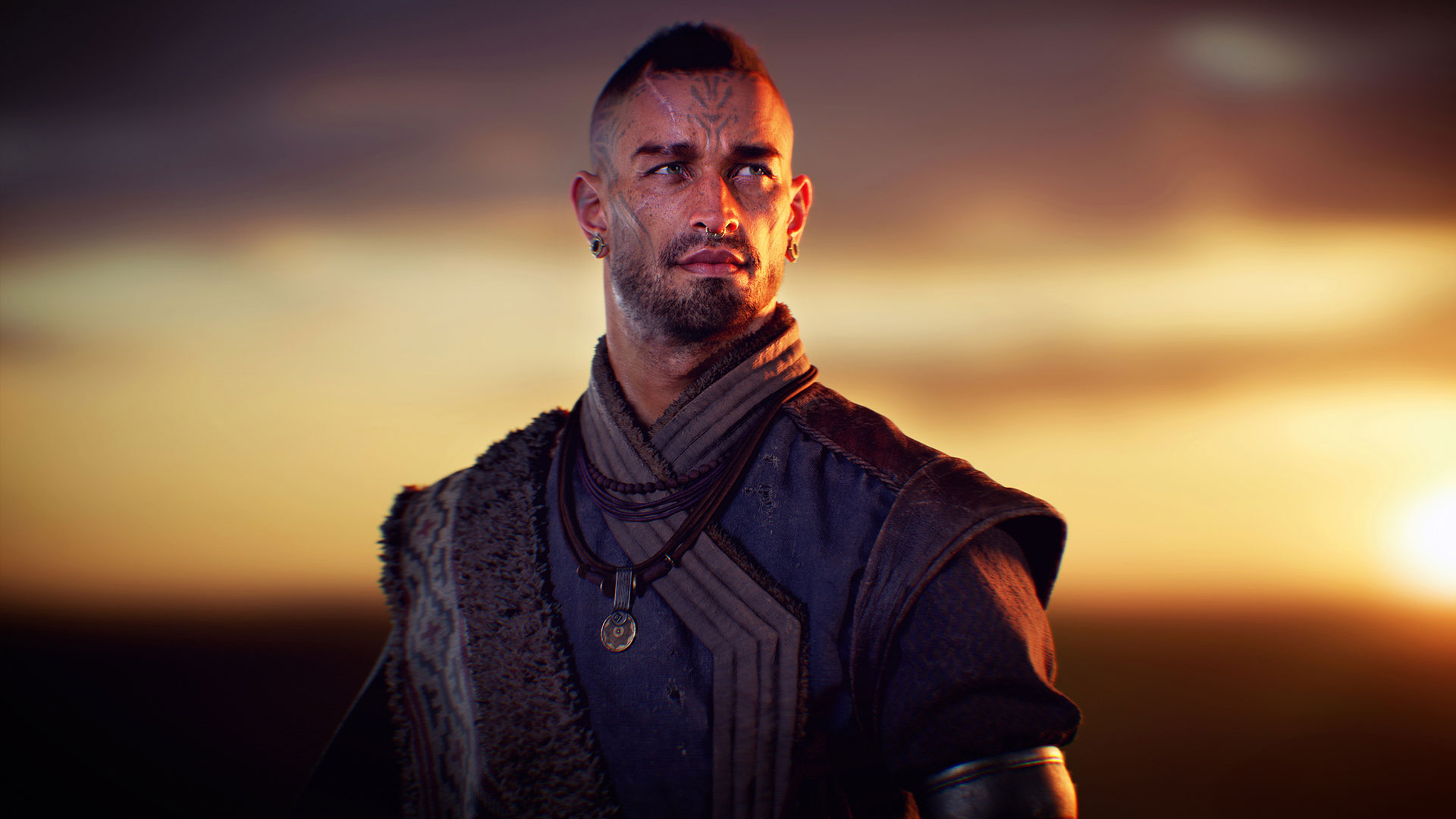
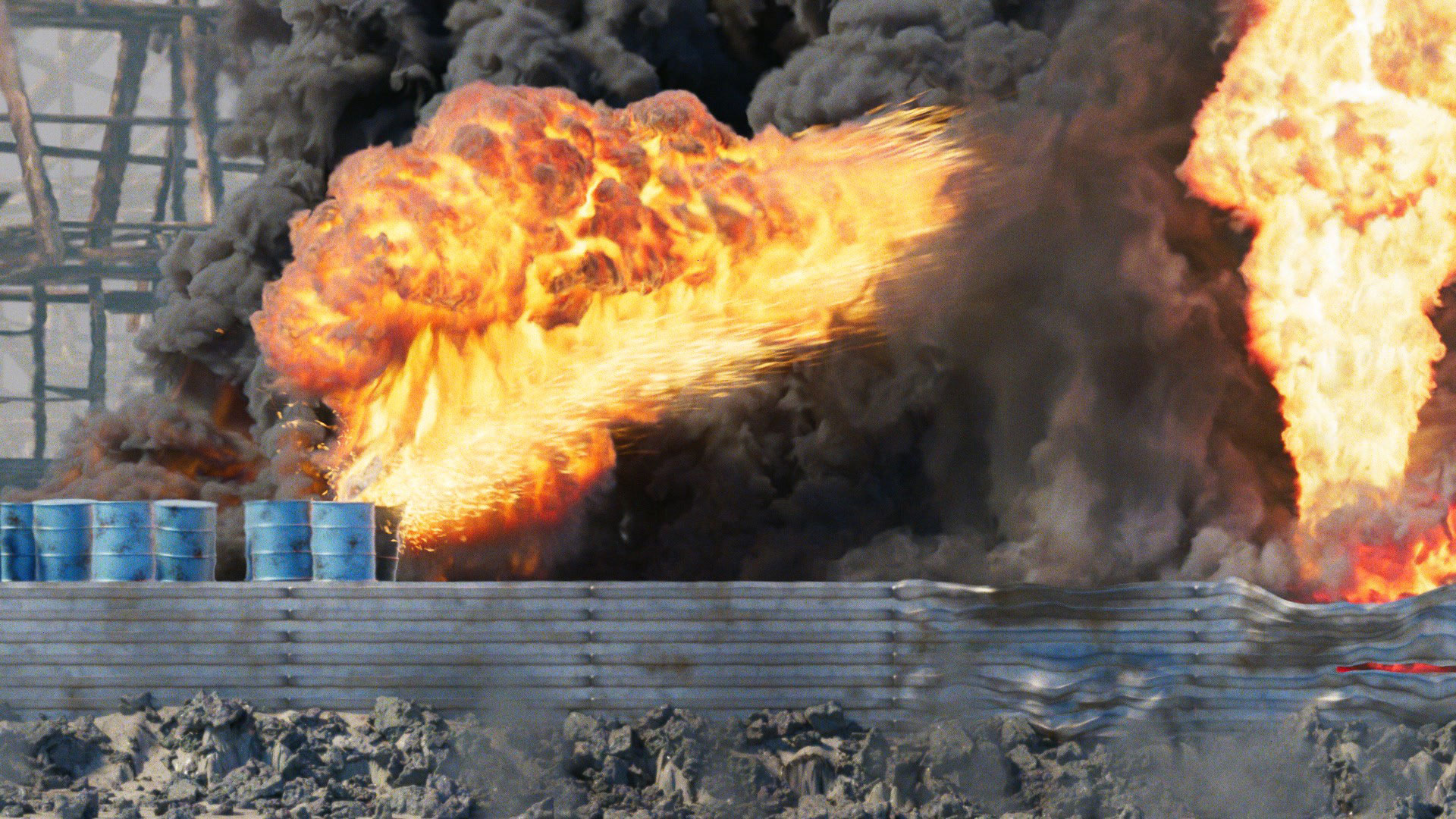
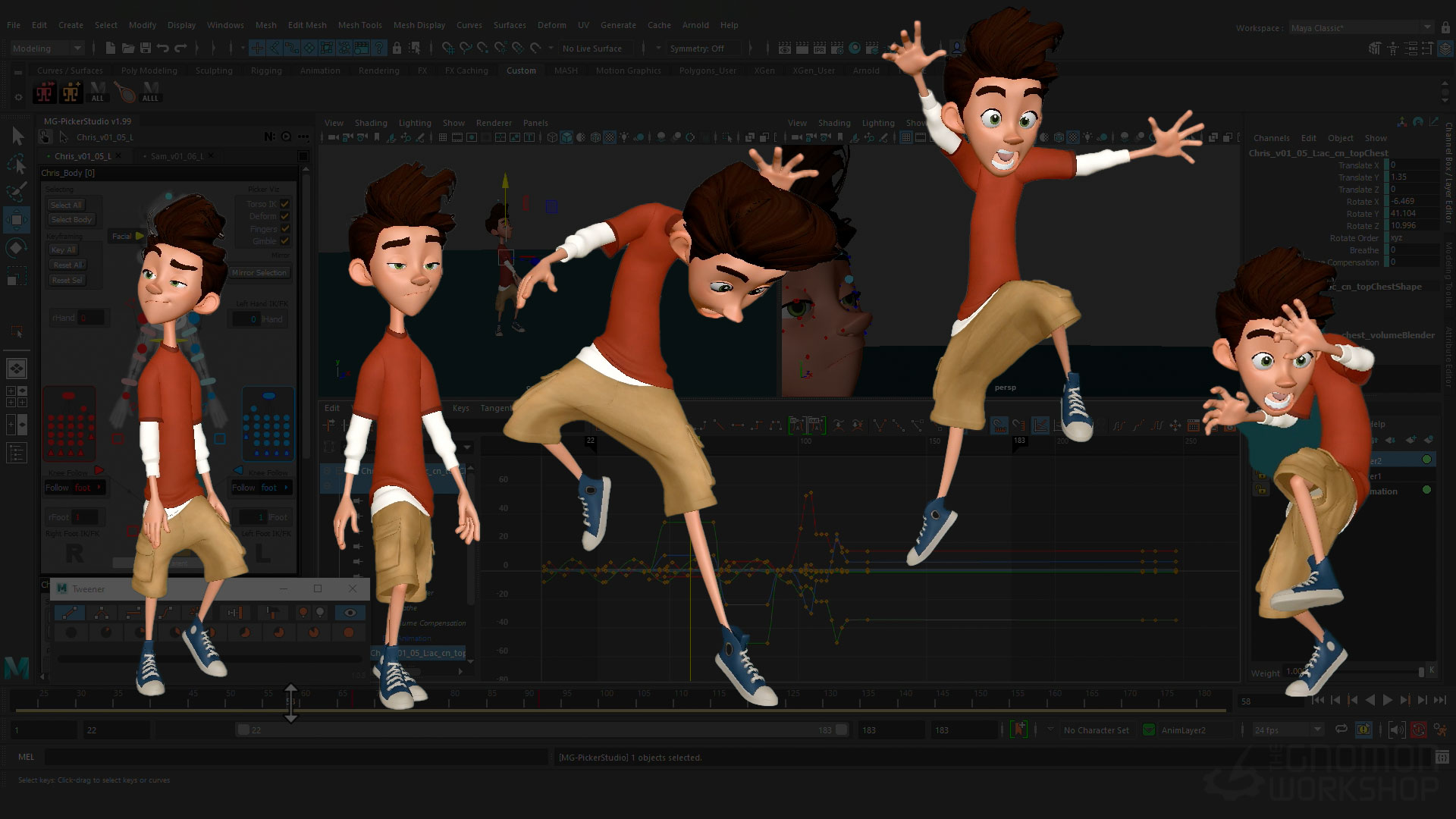

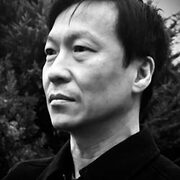








If you’re looking for a complete step-by-step walkthrough of a professional photogrammetry process, look no further than this 3.5-hour workshop by Lead Digital Projects Engineer, Charleston Silverman. This in-depth workshop provides you with the techniques and knowledge you need to scan objects from the real world into the virtual.
Charleston kicks off the workshop with the capture before demonstrating the image processing part of the workflow using Photoshop, Adobe Camera RAW, and Adobe DNG. From there, it’s all about the solve, for which Charleston brings both RealityCapture and Metashape into the fold. Mesh retopology is handled and demonstrated in ZBrush, while the effective texture generation and cleanup process employs the power of Substance Painter. As the final step, the assembly of the scene takes place in Unreal Engine — although, the process and techniques covered can be used with any renderer of choice.
This detailed workshop covers a vast array of information and techniques, discussing everything from the dos and don'ts of capturing to the subtle details for image adjustments and solves that you won’t want to miss. Charleston’s thorough instruction not only teaches how to set everything up correctly to achieve the best results but also advises on the importance of every step of the process.
Project files provided with this workshop include raw captured photos, meshes, photogrammetry projects, Substance files and textures, and the Unreal project file.
7 Lessons
Charleston introduces his workshop, which provides a comprehensive pipeline for creating photogrammetry assets, from initial photo capture through final implementation. The techniques taught are software-agnostic until the final import stage, making this knowledge valuable for artists working across different 3D platforms and rendering engines. He emphasizes that understanding proper capture methods and software workflows will result in higher-quality assets with more efficient processing times.
Duration: 2m 45s

Successful photogrammetry requires careful planning during the capture phase, including consistent camera settings, proper image overlap, and methodical coverage of the subject. By capturing modular assets rather than monolithic environments and maintaining image dimensions of up to 5,000 pixels, artists can achieve high-quality 3D reconstructions while keeping file sizes manageable. Charleston's key to professional results lies in preparation, consistent technique during shooting, and proper image optimization before bringing assets into the software for solving.
Duration: 38m 16s

This lesson demonstrates that both Reality Capture and Metashape are viable photogrammetry solutions with distinct trade-offs. Charleston explains how Reality Capture excels in speed and ease of use but requires per-project payments, while Metashape offers superior consistency and control through its more granular workflow, particularly in the dense cloud-editing stage. His workflow emphasizes creating multiple mesh versions at different resolutions and isolating specific elements to facilitate efficient manual and automated retopology in subsequent software, such as Maya and ZBrush, ultimately producing game-ready or production-quality 3D assets from photographs.
Duration: 54m 16s

This lesson demonstrates an efficient pipeline for converting high-resolution photogrammetry scans into game-ready assets. By combining manual cleanup with automated retopology tools like ZRemesher, artists can quickly generate optimized meshes with clean topology while maintaining visual fidelity. Charleston's emphasis on preserving spatial coordinates throughout the process ensures seamless texture reprojection later in the pipeline, making this approach ideal for creating hero assets for real-time applications.
Duration: 9m 46s

This lesson demonstrates an efficient pipeline for processing photogrammetry scans by combining retopology in ZBrush with texture projection in Metashape. The retopologized mesh provides significantly cleaner geometry while Metashape's automatic UV generation and texture baking capabilities streamline the process without requiring manual UV unwrapping. The resulting asset is then ready for final material creation in Substance Painter, where Charleston demonstrates how multiple software tools can be integrated to deliver optimal 3D scanning results.
Duration: 4m 57s

This comprehensive lesson demonstrates professional techniques for transforming raw photogrammetry assets into game-ready materials in Substance Painter. The key takeaway is the importance of proper sequencing, particularly baking maps before repositioning geometry, and utilizing non-destructive layer workflows with strategic masking to achieve clean, optimized PBR textures. By combining automated baking with manual refinement techniques and efficient channel packing, artists can produce high-quality photorealistic assets suitable for real-time engines while maintaining manageable file sizes and performance.
Duration: 54m 22s

This final lesson provides a complete end-to-end workflow for bringing photogrammetry assets into Unreal Engine with professional optimization and organization practices. The emphasis on non-destructive techniques, proper naming conventions, and performance optimization through LODs and texture management makes this applicable to both individual projects and production environments. Charleston's demonstrated material function system creates a flexible, reusable framework that can be applied to multiple assets while maintaining consistency and ease of modification.
Duration: 52m 10s

Primary tools
For this workshop you’ll need:


* Note that these programs and materials will not be supplied with the course.
Project Files
When you download the workshop files, you'll get access to a comprehensive photogrammetry and 3D modeling project with everything you need to follow along. Inside, you'll find:
- Raw photogrammetry data – Original .dng camera files and .png images for scanning practice, plus processed point clouds and dense cloud files, plus compressed .zip archives with additional model variations
- Complete Unreal Engine project - Ready-to-open .uproject file with all assets, materials, and scene files for real-time visualization
- 3D models & assets - Processed and cleaned-up .fbx and .obj files of the scanned object
- Substance Painter project - .spp file with texturing setups and materials for learning professional texturing workflows
Skills Covered
Who’s this Workshop for?
This comprehensive workshop is designed for intermediate to advanced 3D artists, technical artists, and digital content creators who want to master professional photogrammetry workflows. Game developers, VFX artists, and visualization specialists seeking to integrate real-world assets into their digital projects will find this particularly valuable.
Beginners with basic 3D knowledge can also benefit significantly from Charleston Silverman's thorough instruction, as the step-by-step approach covers fundamental concepts alongside advanced techniques. Anyone working in film, gaming, architectural visualization, or digital preservation will gain essential skills to create high-quality photogrammetric assets for production pipelines.
Learning Outcomes
By completing this workshop, artists will have mastered the full professional photogrammetry pipeline, from initial capture to final scene assembly.
Key skills include:
- How to properly capture photographs for optimal photogrammetry results and avoid common mistakes.
- How to process and adjust raw images using Photoshop, Camera RAW, and DNG workflows.
- How to solve photogrammetry data effectively using both RealityCapture and Metashape software packages.
- How to perform mesh retopology in ZBrush for clean, production-ready geometric assets.
- How to generate and clean up textures efficiently using Substance Painter's advanced toolset.
- How to assemble final photogrammetric assets into complete scenes within Unreal Engine.
- How to optimize workflows and troubleshoot common issues throughout the entire production pipeline.


