
 Photoshop
 Maya
Maya ZBrush
 Houdini
 Substance Painter
 Blender
 Unreal Engine
 Arnold
 Nuke
Nuke KeyShot
 V-Ray
V-Ray Marmoset Toolbag
 Mari
Mari Marvelous Designer
 Substance Designer
 3ds Max
 3DCoat
 Redshift
 Faceform Wrap
 Lightroom
 After Effects
 OctaneRender
 SpeedTree
 Daz 3D
 Agisoft Metashape
 Fusion
 Modo
Modo RealityCapture
 Gaea
Gaea Cinema 4D
 Gravity Sketch
 Premiere
 Procreate
 Clip Studio Paint
 SketchUp
 SketchBook
 Katana
 Natron
 Mudbox
 Quixel Bridge
 Quixel Megascans
 Quixel Mixer
 Substance 3D Modeler
 World Creator
 Yeti
Yeti Ziva VFX
 Mixamo
 Adobe Medium
 Quixel DDO
 xNormal
 Meshmixer
 Storyboard Pro
 DaVinci Resolve
 TreeIt
 World Machine
 Gaffer
 Corel Painter
 SynthEyes
 Krita
Krita Massive
 Materialize
 Unity
Unity Ornatrix
 PreForm
 Moi 3D
 animBot
 QuickTime
 ReCap
ReCap
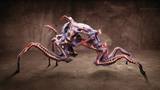









Discover how to create creature fur from scratch in Maya using XGen and Arnold with Creature FX Artist Bruno Tornisielo. This 2.5-hour workshop details Bruno’s process for crafting believable hair and fur, starting with a simple sphere to demonstrate XGen's fundamental tools and principles. Bruno reveals all the important tools needed to create curves and modifiers and discusses how to create clumps, cuts, noise, and curls.
With the foundations covered, Bruno covers the importance of separating the groom into layers to gain complete control over the groom. He shares the entire process for creating all the guides and layers for the full groom and demonstrates the modifiers required for each layer before walking through his light rig and shaders. Bruno also details how to paint maps using ZBrush as an added bonus. The workflow follows through to the final render in Arnold and shows how to create an interactive groom for your portfolio.
This workshop is designed for artists looking to learn the basics of XGen as well as those interested in learning how to create realistic animal and creature grooms. This tutorial is packed with useful grooming tips and provides a comprehensive overview of Bruno’s production workflow, as used for creating realistic creature grooms for feature films.
Bruno has provided his XGen Expressions .txt file as a downloadable resource with this workshop, which is available to subscribers.
11 Lessons
This introductory XGen lesson establishes the fundamental workflow for creating hair and grooming in Maya, emphasizing proper technical setup before creative work begins. Bruno’s preferred approach focuses on guide-based grooming with curve manipulation rather than interactive grooming tools, providing a solid foundation for beginners. While XGen offers many tools and options, mastering the basics of project setup, UV requirements, guide creation, and essential modifiers is crucial before exploring more advanced techniques in future lessons.
Duration: 23m 11s

This lesson establishes the foundational workflow for creating realistic fur in XGen through an iterative, non-linear process. Bruno shows that achieving natural-looking results requires constant refinement. This includes adding curves, adjusting clumps, painting masks, and generating variations repeatedly throughout the project. While the technical steps are methodical, success depends on artistic judgment and patience rather than following a strict linear process.
Duration: 18m

This lesson emphasizes that creating realistic fur is an iterative process requiring patience and constant refinement. The key to success lies in understanding how curve interpolation works, maintaining consistency across layers with standardized parameters, and using proper masking techniques for seamless integration. Bruno teaches that, while issues like geometry penetration are common, they can be easily resolved by strategically adding curves and reshaping them to follow the character's natural form and flow.
Duration: 17m 34s

This lesson emphasizes that creating realistic digital fur is an iterative process requiring attention to both overall flow and integration details. Bruno's key to success lies in layering multiple effects (noise, clumping, curl) with varying parameters and repeatedly adjusting transitions between different body sections until a seamless, natural appearance is achieved. While procedural tools are helpful, manual refinement and integration of problem-solving are essential steps in the grooming workflow.
Duration: 12m

This lesson emphasizes that creating realistic fur in Maya is an iterative process requiring patience and constant refinement. Bruno's key focus is on how fur systems require recalculating effects whenever curves are modified, and on achieving natural-looking results by carefully managing curve density, flow direction, and multiple layers of clumping effects to create depth and realism in the final fur appearance.
Duration: 13m 57s

This lesson illustrates the iterative and detail-oriented nature of digital fur creation, emphasizing that achieving natural-looking results requires constant testing, adjustment, and refinement of multiple parameters. Bruno demonstrates that successful fur effects rely on finding the right balance between technical settings (such as CV count and curl values) and artistic judgment, often requiring multiple attempts to achieve the desired look. The unexpected blend of the original scaled dinosaur design with fur elements shows how creative accidents can lead to unique and interesting results.
Duration: 10m 9s

This lesson emphasizes that creating realistic fur grooming is an iterative refinement process requiring constant adjustment and testing. Bruno demonstrates that achieving natural-looking results involves layering multiple effects (clumping, noise, cutting, masking) and being willing to continually revise settings until the desired appearance is achieved. The work shown here is preparatory, with the understanding that further refinements will be necessary once texturing begins, especially when viewing renders, where issues become more clearly visible.
Duration: 14m 54s

This lesson provides practical insight into professional 3D character-finishing workflows, emphasizing the iterative nature of grooming and lighting. Bruno demonstrates that achieving quality results requires constant refinement, such as reshaping curves, updating masks, and troubleshooting render issues, while maintaining efficiency by using the minimum necessary curves for simulation performance. Matching lighting environments across software packages ensures consistency throughout the production pipeline.
Duration: 13m 13s

Creating a flyaway hair layer is a straightforward but impactful technique for adding realism to 3D character fur and hair. By duplicating existing curves, applying low-density settings, and using selective masking with subtle styling effects, artists can achieve natural-looking stray hairs that enhance the overall detail of their models. This method is applicable to various animal and character designs.
Duration: 5m 2s

This lesson serves as a focused primer on ZBrush's texture-painting capabilities rather than a comprehensive introduction to the software. Bruno emphasizes that artists can follow other workshops for more general ZBrush guidance, as this lesson specifically covers the Polypaint texturing workflow demonstrated. His streamlined approach helps artists quickly understand the essential tools for upcoming lessons without being overwhelmed by ZBrush's extensive feature set.
Duration: 5m 25s

This final lesson emphasizes the importance of experimentation and iteration when creating fur textures and shaders. Bruno demonstrates that achieving realistic results requires balancing melanin, diffuse color, roughness, and transmission tint while constantly testing renders to evaluate the outcome. By creating multiple texture variations and fine-tuning shader properties through systematic adjustments, artists can achieve professional-looking fur that maintains both artistic vision and natural realism.
Duration: 22m 51s

Primary tools
For this workshop you’ll need:
Project Files
When you download the workshop file, you'll get access to a useful document from Bruno to help with XGen setup. Inside the download, you'll find:
- Text file (.txt) – A text file containing useful expressions for XGen setup and use
Skills Covered
Who’s this Workshop for?
This workshop is designed for artists seeking to master XGen fundamentals and those interested in creating realistic animal and creature grooms. It caters to both beginners learning XGen basics and intermediate artists looking to refine their grooming skills for production work.
Creature FX artists, grooming specialists, and 3D generalists working in film and animation will benefit significantly from Bruno Tornisielo's production-proven workflow. Artists will gain comprehensive knowledge of professional grooming techniques used in feature film production, along with valuable tips for creating portfolio-ready interactive grooms.
Learning Outcomes
By completing this workshop, artists will have mastered Bruno Tornisielo's complete production workflow for creating realistic creature fur and hair using XGen and Arnold rendering.
Key skills include:
- How to utilize XGen's fundamental tools and principles for creating believable hair and fur.
- How to create and manipulate curves, modifiers, clumps, cuts, noise, and curls effectively.
- How to separate grooms into layers for complete control over the final result.
- How to create guides and apply appropriate modifiers for each grooming layer.
- How to set up professional light rigs and configure realistic fur shaders.
- How to paint detailed maps in ZBrush to enhance grooming control and realism.
- How to render final grooms in Arnold and create interactive portfolio presentations


