
 Maya
Maya ZBrush
 Houdini
 Substance Painter
 Unreal Engine
 Arnold
 Nuke
Nuke KeyShot
 V-Ray
V-Ray Marmoset Toolbag
 Mari
Mari Marvelous Designer
 Substance Designer
 3ds Max
 Redshift
 Faceform Wrap
 Lightroom
 After Effects
 OctaneRender
 SpeedTree
 Daz 3D
 Agisoft Metashape
 Fusion
 Modo
Modo RealityCapture
 Gaea
Gaea Cinema 4D
 Premiere
 Clip Studio Paint
 SketchUp
 SketchBook
 Katana
 Natron
 Mudbox
 Quixel Bridge
 Quixel Megascans
 Quixel Mixer
 Substance 3D Modeler
 World Creator
 Yeti
Yeti Ziva VFX
 Mixamo
 Adobe Medium
 Quixel DDO
 xNormal
 Meshmixer
 Storyboard Pro
 DaVinci Resolve
 TreeIt
 World Machine
 Gaffer
 Corel Painter
 SynthEyes
 Krita
Krita Massive
 Materialize
 Unity
Unity Ornatrix
 PreForm
 Moi 3D
 animBot
 QuickTime
 ReCap
ReCap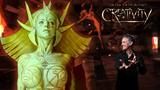
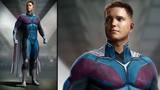
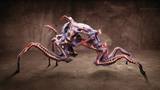
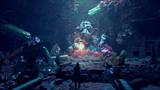








Discover efficient approaches to creating keyframe concept art for movies and animated films using a variety of software and best practices. In this 4.5-hour workshop, Aleksey Pollack guides you through his tried-and-tested techniques, including his personal approach to digital sculpting for concept art and how he integrates VR modeling and Blender techniques to boost his creative output. By exploring a plethora of processes, software, and plug-ins, viewers will define the techniques that will work best for their own creative projects. The ultimate goal is to help you with the knowledge you need to build your own epic keyframe concepts.
Aleksey shares what he calls his “unified toolbelt” approach, which allows him to always stay creative and never feel limited by a step-by-step process. Always working to deliver ideas and keyframes as fast as possible in a tight schedule, having a multitude of tools and techniques at his disposal allows him to work quickly and efficiently depending on the task at hand. You will see how some of Aleksey’s favorite plugins help him to achieve quick results and real-time solutions in 3D. He also details his preferred method for combining renders and his overpainting tricks that push the frame to its final look.
This workshop is intended for artists who understand the basics of 3D modeling, while beginners will also discover fascinating new ways to approach and tackle creative projects. The plugins featured in this video guide include Physical Atmosphere, 3D-Coat Applink, and Sanctus Library. Accompanying the workshop are Aleksey’s final Photoshop file and Blender scene files, with all assets included for your reference.
11 Lessons
Aleksey introduces his workshop, which presents a practical, industry-tested approach to concept art that prioritizes efficiency and real-world applicability over artistic perfection. His journey from a small Ukrainian city to Hollywood demonstrates that, with dedication, self-directed learning, and smart workflow development, artists can break into major industries. Aleksey's workshop teaches not just technical skills, but also the strategic thinking and time management essential for professional concept art.
Duration: 7m 41s

This lesson focuses on how proper planning and reference gathering at the project's start saves time and provides creative direction throughout the design process. Aleksey advocates for a systematic approach to research that balances inspiration-gathering with time management, ultimately serving the goal of solving the client's design challenge through informed artistic interpretation rather than direct copying.
Duration: 7m 29s

This lesson showcases an efficient concept art workflow that balances creative exploration with practical asset creation. Aleksey demonstrates how rough, experimental sketches can effectively communicate scale, atmosphere, and composition without requiring high levels of detail or polish. This approach allows for rapid iteration and provides a solid foundation for the more time-intensive 3D development phase that follows.
Duration: 24m 21s

This lesson demonstrates an efficient concept art pipeline that prioritizes speed and experimentation over precision. Aleksey's approach allows artists to quickly generate multiple design variations and asset options for clients while maintaining creative flexibility. His emphasis on rough modeling, combined with heavy overpainting, reflects real-world production constraints in which time efficiency and iterative exploration are more valuable than perfect 3D models.
Duration: 33m 55s

This lesson demonstrates an efficient approach to concept art that maximizes creative exploration within tight time constraints. By combining procedural generation tools, strategic use of modifiers, and real-time rendering feedback, artists can rapidly iterate on abstract designs while maintaining visual coherence. Aleksey's emphasis on establishing strong foundational elements such as lighting, composition, and shape language creates a solid base for future refinement stages, proving that sophisticated concept art doesn't always require extensive detailed modeling from the start.
Duration: 34m 54s

This lesson demonstrates an efficient workflow for concept artists working in 3D, emphasizing speed and practicality over perfectionism. Aleksey shows how to build a solid foundation using 3D assets that will later be enhanced through photo-bashing and overpainting techniques. The approach prioritizes getting the environment, characters, lighting, and composition in place before moving to the final rendering stage, allowing for maximum flexibility and creative control in the final concept art.
Duration: 29m 23s

This lesson shows that successful concept art requires careful planning at every stage, from the initial 3D composition to final render preparation. Aleksey demonstrates how combining multiple rendering engines and proper compositional techniques can create compelling sci-fi environments that effectively guide the viewer's attention. The methodical approach of organizing work in folders and sketching plans directly on the image serves as a roadmap for the more detailed overpainting that follows.
Duration: 25m 55s

This lesson demonstrates a modern concept art production pipeline that emphasizes speed, flexibility, and iterative design over traditional linear workflows. Aleksey's key focus is on maintaining the ability to move fluidly between 3D and 2D tools throughout the creative process, allowing artists to solve design problems at the most appropriate stage rather than forcing solutions through overpainting. His approach is particularly valuable for tight production schedules where generating strong ideas and client-ready concepts takes priority over creating polished final artwork.
Duration: 35m 40s

This lesson demonstrates a professional approach to client revisions in concept art, emphasizing flexibility and efficiency over perfection. Aleksey’s method of constantly evaluating the overall composition while making incremental changes shows how experienced digital artists balance client requirements with artistic vision. The final result successfully integrates the requested atmospheric effects while maintaining the dramatic impact of the floating city scene.
Duration: 40m 43s

This lesson effectively demonstrates professional concept art workflow, showing how to efficiently create multiple design iterations while maintaining quality and artistic vision. Aleksey discusses that such concept work typically takes half to a full day, including client discussion and 3D model preparation. His process showcases the balance between the technical skills and artistic intuition needed for successful concept art production.
Duration: 32m 45s

This final lesson provides an overview of the idea that successful digital art creation relies on both thorough preparation and flexible tool use rather than mastery of a single software program. Aleksey emphasizes that, while technical proficiency across multiple platforms is valuable, the ultimate goal should always be to deliver original, creative concepts. This balanced approach of strong preparation, staged workflow, and creative thinking provides a foundation for producing professional-quality work that meets diverse client needs.
Duration: 3m 2s

Primary tools
For this workshop you’ll need:


* Note that these programs and materials will not be supplied with the course.
Project Files
When you download the workshop files, you'll get access to a complete project package with two scenes covered in the workshop. Inside, you'll find:
- Blender scene files – Ready-to-open project files with different setup variations so you can jump right into the workflow at any stage
- Photoshop design files - Source files including composition sketches and multiple frame options that you can edit, modify, and use as reference for your own work
Skills Covered
Who’s this Workshop for?
This workshop is designed for concept artists and 3D artists with a solid foundation in 3D modeling who want to accelerate their keyframe concept art production. It's ideal for professionals working in film, animation, and game development who need to deliver high-quality concepts under tight deadlines.
Beginners with basic 3D knowledge will discover innovative approaches to creative problem-solving and workflow optimization. Artists at any level will benefit from learning Aleksey Pollack's "unified toolbelt" approach, gaining valuable insights into integrating multiple software packages and techniques to never feel creatively limited by traditional step-by-step processes.
Learning Outcomes
By completing this workshop, artists will develop a comprehensive, multi-software approach to creating professional keyframe concept art efficiently and creatively.
Key skills include:
- How to implement digital sculpting techniques specifically optimized for concept art production workflows.
- How to integrate VR modeling tools with traditional 3D software to enhance creative output.
- How to utilize Blender techniques effectively within a professional concept art pipeline.
- How to leverage plugins like Physical Atmosphere and 3D-Coat Applink for rapid results.
- How to combine multiple renders seamlessly for complex keyframe compositions.
- How to execute overpainting techniques that elevate concepts to their final polished look.
- How to build a flexible "unified toolbelt" approach for maximum creative freedom.


