 Maya
Maya ZBrush
 Houdini
 Substance Painter
 Blender
 Unreal Engine
 Arnold
 Nuke
Nuke KeyShot
 V-Ray
V-Ray Marmoset Toolbag
 Mari
Mari Marvelous Designer
 Substance Designer
 3ds Max
 3DCoat
 Redshift
 Faceform Wrap
 Lightroom
 After Effects
 OctaneRender
 SpeedTree
 Daz 3D
 Agisoft Metashape
 Fusion
 Modo
Modo RealityCapture
 Gaea
Gaea Cinema 4D
 Gravity Sketch
 Premiere
 Procreate
 Clip Studio Paint
 SketchUp
 SketchBook
 Katana
 Natron
 Mudbox
 Quixel Bridge
 Quixel Megascans
 Quixel Mixer
 Substance 3D Modeler
 World Creator
 Yeti
Yeti Ziva VFX
 Mixamo
 Adobe Medium
 Quixel DDO
 xNormal
 Meshmixer
 Storyboard Pro
 DaVinci Resolve
 TreeIt
 World Machine
 Gaffer
 Corel Painter
 SynthEyes
 Krita
Krita Massive
 Materialize
 Unity
Unity Ornatrix
 PreForm
 Moi 3D
 animBot
 QuickTime
 ReCap
ReCap













10 Lessons
In this lesson, Yohann Schepacz explores the character painting process by reviewing a completed personal project. He explains the value of revisiting finished work after time has passed to assess mistakes, identify areas for improvement, and learn more effectively through objective self-critique. Alongside the technical walkthrough, the lesson offers insight into Yohann’s professional background and career path, highlighting adaptability, continuous learning, and the importance of not being overly critical of work during the creative process.
Duration: 9m 48s

In this lesson, Yohann demonstrates a structured approach to reference gathering and ideation using PureRef as a visual research and brainstorming tool. He walks through how reference boards are organized to support character development, material exploration, lighting decisions, and overall artistic direction. The lesson explores how visual research informs choices related to anatomy, fur rendering, armor design, material behavior, and lighting scenarios. Emphasis is placed on studying real-world reference, analyzing how light interacts with form and surface, and allowing ideas to evolve through the reference process. Yohann provides a clear framework for using intentional reference collection to support stronger visual storytelling and more informed creative decisions throughout character development.
Duration: 12m 1s

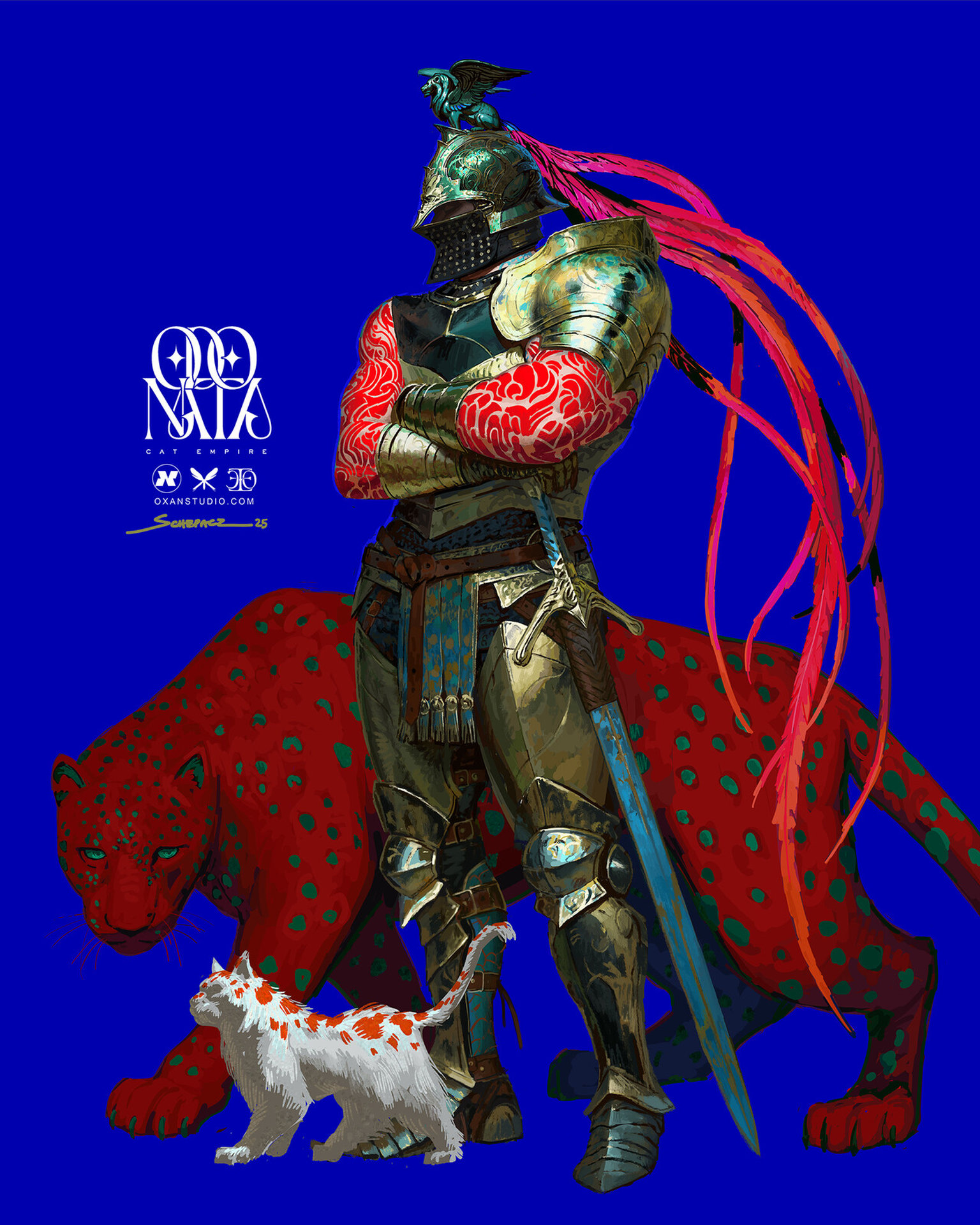
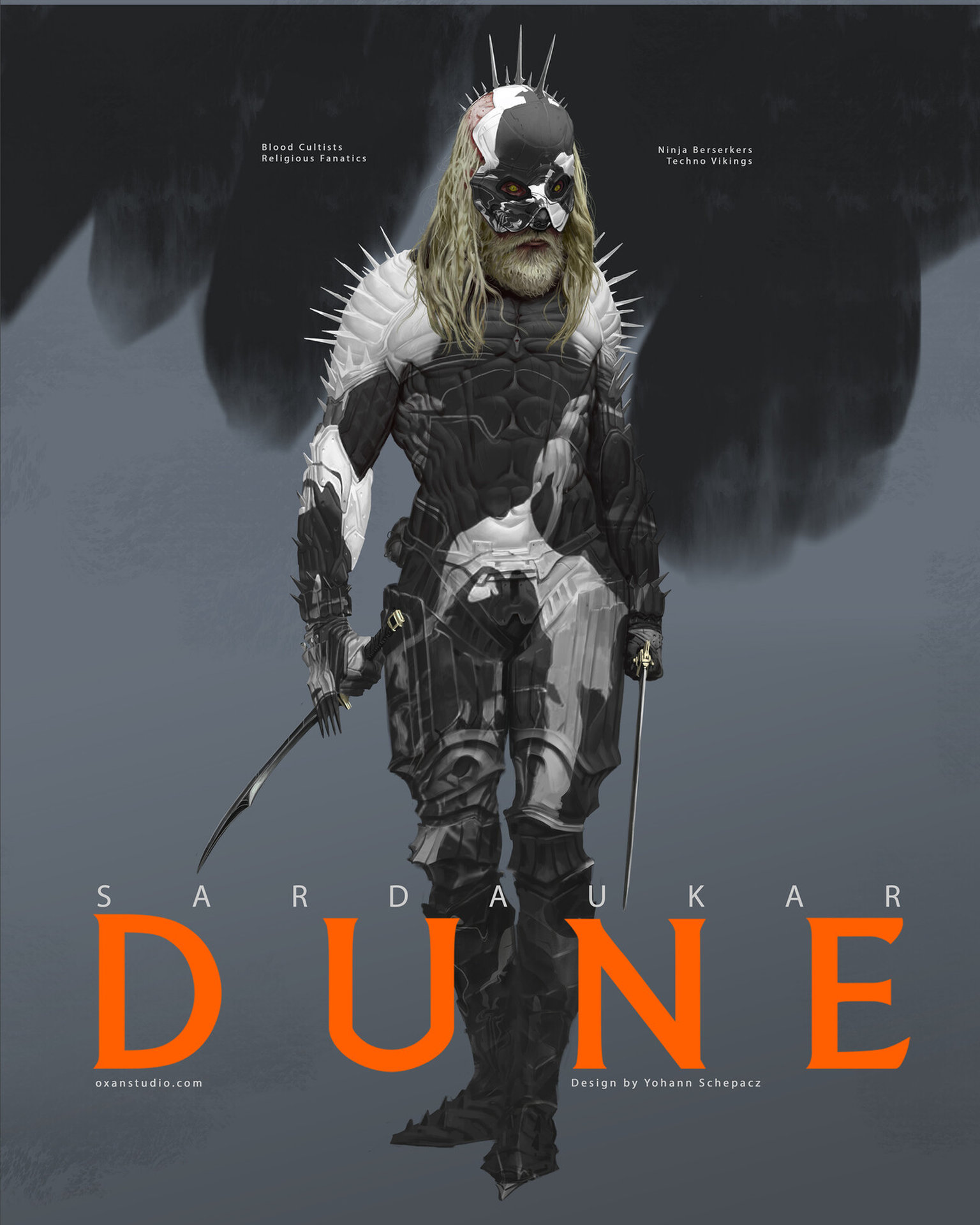
Yohann shares an early ideation workflow focused on establishing a strong silhouette and clear value structure before moving into detail. He begins with a simple two-value design to separate fur and armor, using contrast and shape arrangement to create a readable foundation. The lesson highlights how visual taste and compositional judgment are developed through practice, emphasizing honest self-assessment while refining designs through multiple iterations. Techniques such as quickly toggling layers and comparing variations are used to evaluate whether shapes and value groupings feel effective before committing additional time. The lesson reinforces the importance of resolving foundational design issues early, showing how strong value patterns and connected shape groupings support clarity, impact, and consistency as materials and details are added.
Duration: 33m 42s

In this lesson, Yohann demonstrates a painterly rendering approach that balances artistic decision making with technical lighting principles. He explains how environment light, local color, and material properties interact, and how lighting adjustments per form help reveal volume and shape while maintaining overall coherence. The lesson emphasizes starting with focal points, working from simple volumes, and using reference and intuition to guide lighting choices, giving artists a practical framework for creating clear, compelling, and visually readable results.
Duration: 20m 18s

Yohann now explores the reality of professional rendering as a craft shaped by persistence, problem solving, and continual revision. He explains how refining large forms, reassessing silhouettes, and resisting premature detail are essential to achieving strong value arrangements and believable volume. The lesson emphasizes stepping back, being willing to erase and rebuild when designs are not working, and maintaining emotional distance from early ideas in order to make better decisions. Through repeated iteration and honest self-assessment, artists learn how quality results emerge from fundamentals, patience, and sustained effort rather than inspiration alone.
Duration: 25m 8s

Yohann focuses on refining character design through clarity, restraint, and strong visual hierarchy. He explains how maintaining a readable silhouette, shaping highlights with gradients, and using Photoshop layers and adjustment techniques reinforce form and material definition. The lesson emphasizes iterative revision, including flipping the canvas to reassess balance and composition, and simplifying designs when complexity weakens visual communication. By prioritizing readability, intentional lighting decisions, and taste-driven interpretation over physical accuracy, the lesson highlights how thoughtful decision making leads to stronger, more effective character designs.
Duration: 46m 29s

In this lesson, Yohann emphasizes designing every element of the painting as an intentional shape that contributes to the overall composition. He shows how reference study informs decision making by examining how light, form, and environment generate compelling shapes in reality. The lesson focuses on building visual interest in layers, adding accents and secondary materials to enhance readability without overwhelming the design. Through continued canvas flipping, highlight refinement, and close attention to value relationships and reflections, Yohann demonstrates how thoughtful iteration and informed experimentation lead to a cohesive, engaging final image that holds up both from a distance and up close.
Duration: 34m 9s

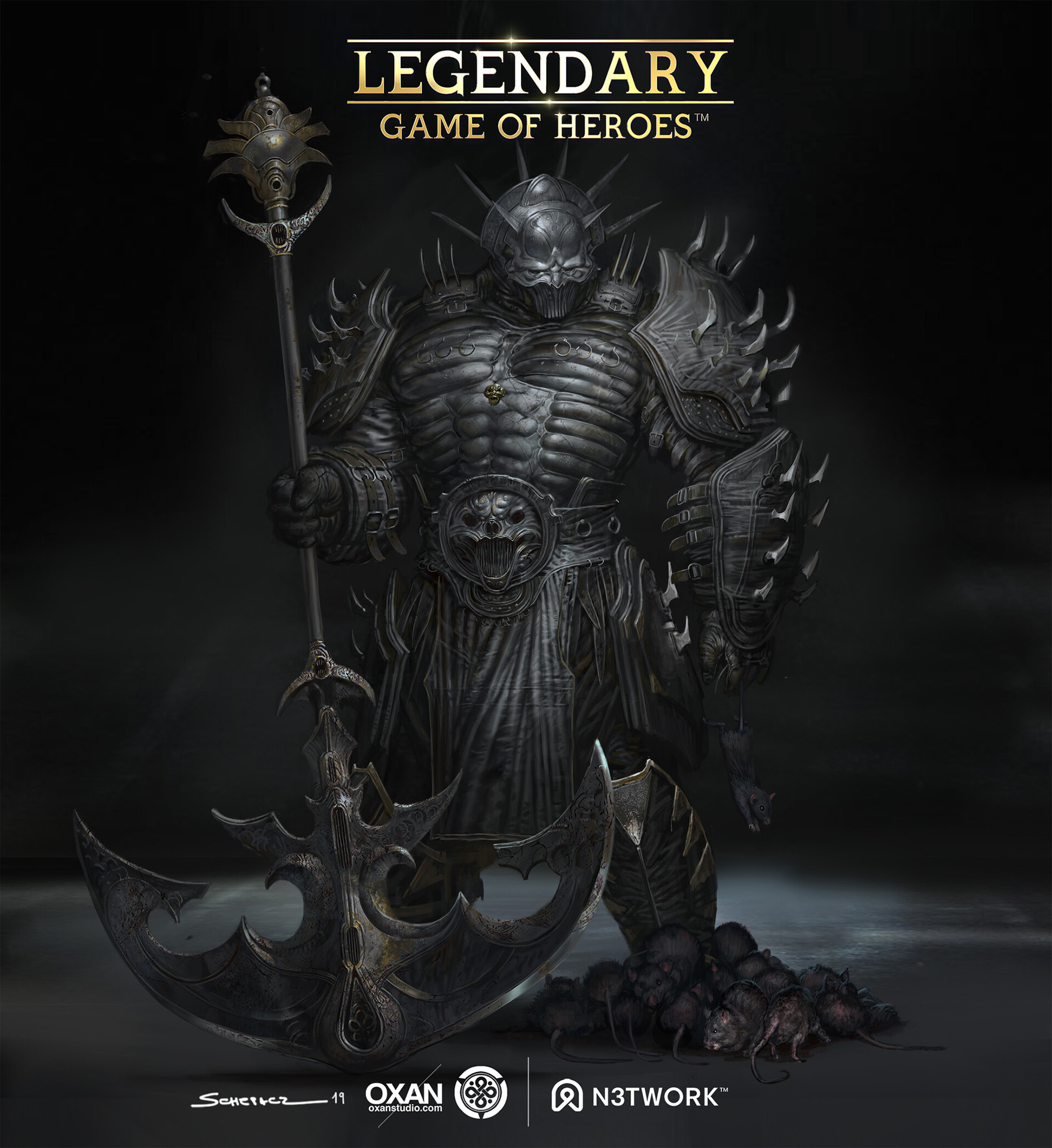
Yohann moves on to weapon design through experimentation and variation, drawing inspiration from unconventional references and game design influences. He explains how quickly testing multiple shapes and silhouettes helps evaluate readability, visual rhythm, and cohesion with the character. Photo bashing and paintover techniques are used to efficiently prototype complex materials and surface detail, particularly for metal edges and blade textures. The lesson maintains a focus on balancing visual impact with hierarchy, ensuring the weapon supports the primary focal point while remaining a strong standalone design when needed.
Duration: 28m 19s

In this lesson, Yohann focuses on final fur rendering and surface refinement. He explains how fur is blocked in using larger shapes and clumps before gradually refining individual strands and directional flow. Yohann examines how fur reacts to light, including subtle highlights and subsurface scattering, and adjusts surrounding materials accordingly, particularly where metal and fur interact. He continues polishing the asset by refining armor and weapon details, evaluating readability through frequent zooming in and out. The lesson emphasizes controlled brush choice, layered refinement, and careful observation to achieve a believable, cohesive final result.
Duration: 50m 56s

In this concluding lesson, Yohann reflects on the process and enjoyment of creating the project while presenting the final character. He reviews the completed asset, confirming that all elements are polished, cohesive, and readable both up close and from a distance. The final result balances science fiction and fantasy influences, presenting a character that feels refined and production-ready.
Duration: 1m 25s

Primary tools
For this workshop you’ll need:

* Note that these programs and materials will not be supplied with the course.
Skills Covered
Who’s this Workshop for?
This workshop is intended for intermediate to advanced digital artists and concept designers who want to strengthen their sci-fi and fantasy illustration workflows using Photoshop. It is especially suited for artists interested in creature design who want to move beyond isolated sketches and develop fully rendered, presentation-ready artwork based on a defined brief.
Concept artists working in games, film, and entertainment, as well as freelance illustrators building portfolio pieces, will benefit from the emphasis on research, visual development, and iterative design thinking. Artists with a foundational understanding of Photoshop who want to refine their rendering process and design decisions will find this workshop particularly valuable.
Learning Outcomes
By completing this workshop, artists will gain a clear understanding of a professional illustration pipeline for creating polished sci-fi and fantasy creature designs.
Key skills include:
- How to interpret a creative brief and translate it into a focused visual direction.
- How to research and organize references to support believable and compelling creature designs.
- How to develop strong designs through silhouettes, thumbnails, and tonal value studies.
- How to combine photo manipulation and digital painting techniques effectively in Photoshop.
- How to refine value, color, and form through progressive sketching and rendering stages.
- How to add surface detail and texture that enhances realism and visual interest.
- How to present a finished illustration in a clear, professional format suitable for portfolios or client review.