
 Photoshop
 Maya
Maya ZBrush
 Houdini
 Substance Painter
 Blender
 Unreal Engine
 Arnold
 Nuke
Nuke KeyShot
 V-Ray
V-Ray Marvelous Designer
 Marmoset Toolbag
 Mari
Mari Substance Designer
 3ds Max
 Redshift
 3DCoat
 After Effects
 Faceform Wrap
 Lightroom
 OctaneRender
 SpeedTree
 Daz 3D
 Modo
Modo Fusion
 RealityCapture
 Agisoft Metashape
 Gaea
Gaea Cinema 4D
 Gravity Sketch
 Premiere
 Procreate
 Clip Studio Paint
 SketchUp
 SketchBook
 Katana
 Natron
 Mudbox
 Quixel Bridge
 Quixel Megascans
 Quixel Mixer
 Substance 3D Modeler
 World Creator
 Yeti
Yeti Ziva VFX
 Mixamo
 Adobe Medium
 Quixel DDO
 xNormal
 Meshmixer
 Storyboard Pro
 DaVinci Resolve
 TreeIt
 World Machine
 Gaffer
 Corel Painter
 SynthEyes
 Krita
Krita Massive
 Materialize
 Unity
Unity Ornatrix
 PreForm
 Moi 3D
 animBot
 QuickTime
 ReCap
ReCap





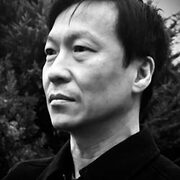








Unreal Engine 5 has dramatically improved the quality of real-time lighting through its implementation of real-time global illumination, through the new Lumen lighting engine. However, there remain myriad lighting tools, techniques and workflows that must be well understood to fully maximize one's experience designing and optimizing the lighting in a scene or level. In this fundamental overview of Unreal's lighting system, Charleston Silverman demonstrates his production proven processes that will be critical to any artist aspiring to master Unreal's lighting toolset.
This workshop covers a range of tools, from static lighting techniques to fully dynamic lighting techniques such as RTX, and Lumen. Charleston walks through some of the more advanced tools in Unreal that are essential to know, including the Light Mapper and Path Trace Render, as well as Volumetric Lighting, Particle Lights, Light functions, IES Profiles, Reflections, skylights and HDRI backdrops, and post-processing techniques. Additionally, Charleston covers his workflow for improving the optimization, quality, and performance of UE5 projects.
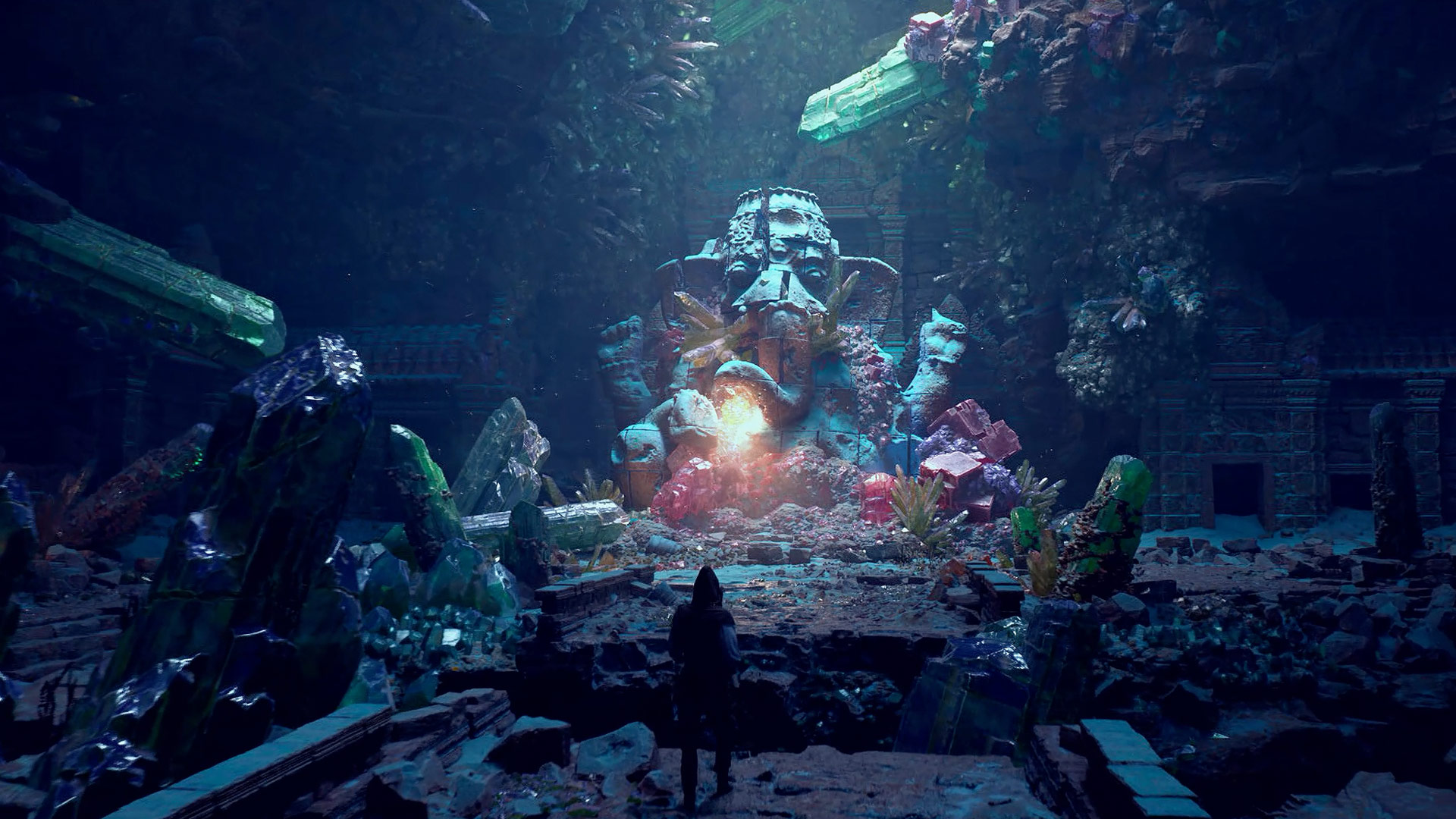
This tutorial is designed to offer valuable insight, tips, and techniques for those new to Unreal Engine, or those migrating from UE4 to UE5. Project files provided with this workshop include Charleston’s chamber/cave Unreal project.
For a comprehensive look at UE5’s Material System, check out Charleston’s Unreal Engine 5 Material System Overview workshop.
9 Lessons
Charleston begins his workshop by establishing foundational knowledge of lighting in Unreal Engine 5, emphasizing physically accurate approaches over artificial workarounds. While systems like Lumen offer powerful dynamic lighting capabilities, understanding traditional static lighting techniques remains essential for certain platforms and performance requirements. His methodology of using realistic light placement with proper source radius configuration, rather than relying on fill lights, produces more organic, believable lighting across any rendering method.
Duration: 21m 45s

This lesson provides comprehensive coverage of Unreal Engine's primary lighting actors, demonstrating how each serves specific lighting scenarios. Understanding the unique properties and parameters of spotlights, rect lights, and directional lights enables developers to achieve realistic and dynamic lighting in their scenes. Charleston emphasizes practical applications, like using rect lights for texture projection and directional lights for environmental lighting with volumetric effects.
Duration: 13m 26s

Two lighting actors provide powerful solutions for different needs in Unreal Engine: the Skylight Actor is best for general scene lighting using image-based techniques, while the HDRI Backdrop excels at creating photorealistic renders with integrated backgrounds. Charleston explains how both tools significantly enhance lighting quality and realism, with the HDRI Backdrop being particularly valuable for portfolio work and client presentations.
Duration: 10m 27s

This lesson emphasizes that while dynamic lighting has become more common, understanding static lighting remains valuable for specific use cases, including architectural visualization, mobile development, and performance-critical applications. Charleston's key teaching is that achieving high-quality baked lighting requires careful attention to lightmap density consistency, proper UV layout, and strategic use of indirect lighting and bounce techniques. By mastering these tools and understanding how light physically interacts with surfaces through bounce and diffusion, developers can create realistic, performance-efficient lighting that rivals or complements dynamic solutions.
Duration: 31m 8s

GPU Lightmass and Path Tracing represent powerful tools for achieving high-quality lighting in Unreal Engine 5, each serving different purposes. GPU Lightmass excels at rapid static lighting bakes when properly configured, though it requires careful adjustment of indirect lighting values. Path Tracing delivers the highest possible visual quality for offline renders and portfolio work. Charleston demonstrates how both features leverage GPU ray-tracing capabilities and should be enabled at project inception to minimize workflow disruption from extensive shader recompilation.
Duration: 18m 31s

This lesson demonstrates how Unreal Engine 5's Lumen system provides superior results for real-time global illumination and reflections compared to traditional ray-tracing methods, while maintaining better performance. Charleston's volumetric lighting techniques shown — particularly the custom particle system approach — offer powerful tools for creating atmospheric, cinematic environments. These methods are essential for developers seeking to achieve high-quality lighting while maintaining reasonable performance targets in UE5 projects.
Duration: 35m 29s

This comprehensive lesson demonstrates Unreal Engine 5's flexible lighting capabilities, from basic emissive materials to advanced procedural light functions. The combination of dynamic emissive lighting with Lumen, IES profiles for realism, and material-based light functions provides powerful tools for creating sophisticated lighting effects. Whether using simple static baked lighting or complex animated caustics with flipbooks, Charleston's techniques enable developers to achieve cinematic lighting quality while maintaining performance and artistic control.
Duration: 30m 38s

This lesson provides a comprehensive overview of Unreal Engine 5's reflection and post-processing systems, which are essential for achieving professional visual quality. The reflection captures offer flexible solutions for different scenarios, while post-process volumes serve as the central hub for controlling virtually every aspect of scene appearance. By understanding these systems and using subtle adjustments rather than extreme values, developers can create organic, cinematic visuals that enhance the overall presentation and atmosphere of their projects.
Duration: 30m 4s

Charleston concludes his workshop by noting that the goal was to provide a comprehensive introduction to lighting in Unreal Engine 5, equipping artists with essential skills to tackle diverse lighting challenges. By covering both legacy static lighting systems and cutting-edge dynamic lighting technologies, he provides a comprehensive understanding of the lighting pipeline in modern game development and real-time visualization workflows.
Duration: 22s

Primary tools
For this workshop you’ll need:

* Note that these programs and materials will not be supplied with the course.
Project Files
When you download the workshop files, you'll get access to a complete Unreal Engine project featuring ancient and Japanese-inspired architectural assets. Inside, you'll find:
- Unreal Engine assets ( .uproject, .uasset) – 3D models, including mossy chapels, ancient temple stones, Japanese stone lanterns, Roman statues, and quarry cliffs that you can directly import into your scenes
- Scene maps (.umap) - Pre-built level files showcasing how these architectural elements work together in complete environments
- Project configuration files - Setup files that ensure the project loads correctly with all dependencies and settings intact
Skills Covered
Who’s this Workshop for?
This workshop is specifically designed for artists new to Unreal Engine 5's lighting system and those transitioning from UE4 to UE5. Whether you're a game developer, architectural visualizer, or VFX artist, this fundamental overview provides essential knowledge to help master UE5's advanced lighting capabilities.
Experienced artists working in real-time rendering will also benefit significantly from Charleston Silverman's production-proven workflows and optimization techniques. The comprehensive coverage of both static and dynamic lighting methods, combined with performance optimization strategies, makes this valuable for anyone seeking to elevate their lighting quality and efficiency.
Learning Outcomes
By completing this workshop, artists will have mastered fundamental and advanced lighting techniques essential for creating professional-quality scenes in Unreal Engine 5.
Key skills include:
- How to implement and optimize Lumen's real-time global illumination for dynamic lighting scenarios.
- How to utilize advanced tools like Light Mapper and Path Trace Render for high-quality results.
- How to create atmospheric effects using volumetric lighting and particle-based lighting systems effectively.
- How to enhance lighting realism through IES profiles, light functions, and professional lighting workflows.
- How to integrate HDRI backdrops, skylights, and reflections for photorealistic environmental lighting.
- How to apply post-processing techniques that complement and enhance your lighting design choices.
- How to optimize lighting performance while maintaining visual quality in UE5 projects.


